Digital Dental X-rays

Bobbie Welty • May 9, 2026

The Benefits of Digital Dental X-Rays in Contemporary Dentistry and the Dental Assistant's Role in X-Ray Exposure.

The Advantages of Digital Dental X-Rays in Modern Dentistry

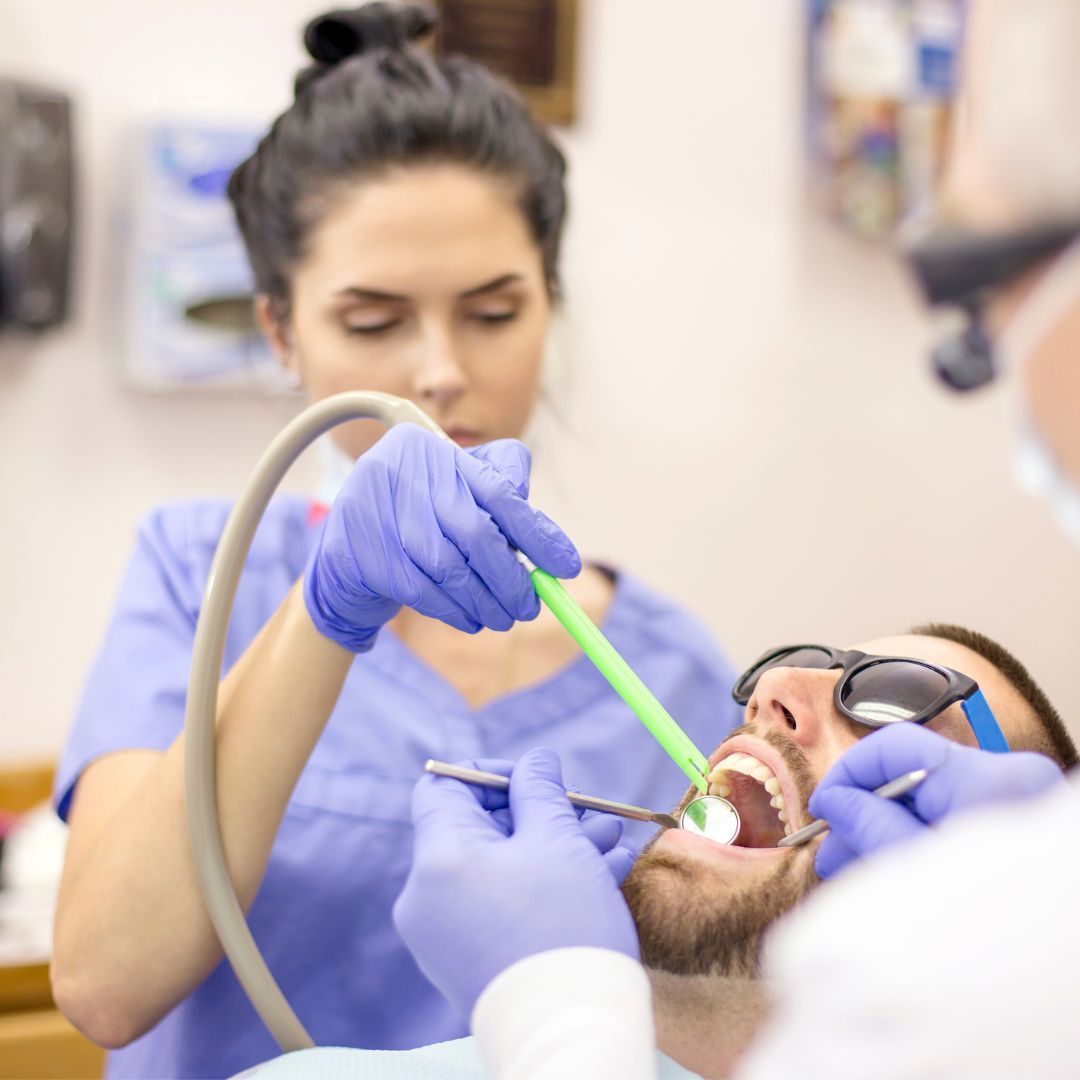
Dental technology has come a long way over the years, and one of the biggest improvements in patient care has been the use of digital dental x-rays. Traditional film x-rays are quickly being replaced by digital imaging because it is faster, safer, and provides higher-quality images for both patients and dental professionals.

Less Radiation Exposure

One of the greatest benefits of digital dental x-rays is the reduced radiation exposure. Digital x-rays use significantly less radiation compared to conventional film x-rays, making them a safer option for patients of all ages. This improvement allows dental offices to capture important diagnostic images while minimizing unnecessary exposure.

Instant Images for Faster Treatment

Unlike traditional film x-rays that require processing time, digital x-rays appear on the computer screen within seconds. Dentists can immediately review the images, diagnose problems, and discuss treatment options with patients during the same appointment. This helps improve efficiency and allows patients to better understand their dental health in real time.

Better Image Quality

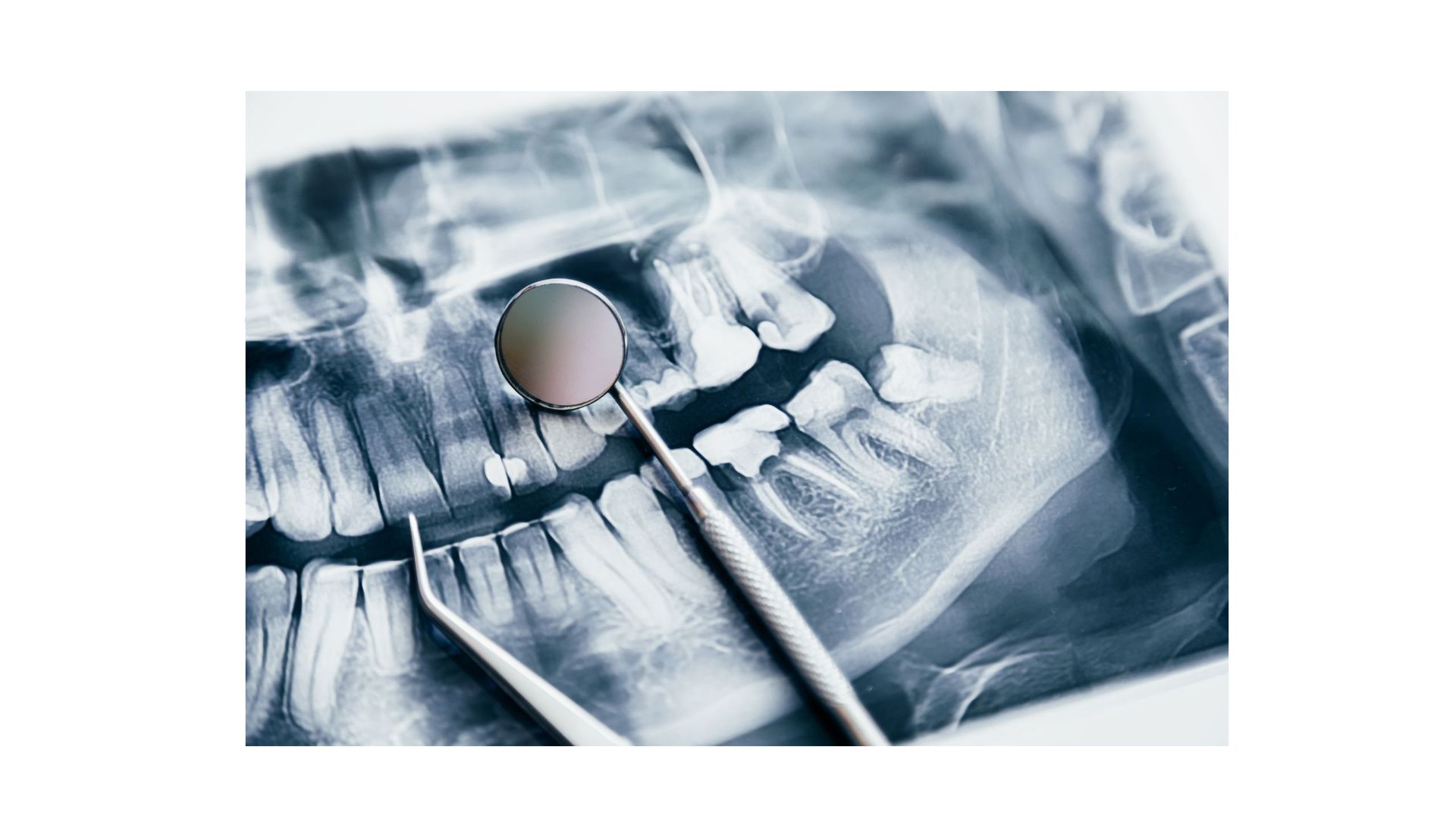
Digital dental x-rays provide clearer and more detailed images than conventional film. Dentists can enlarge images, adjust brightness and contrast, and detect issues such as cavities, infections, bone loss, or impacted teeth more accurately. Improved image quality leads to earlier diagnosis and more precise treatment planning.

No Need for Heavy Lead Aprons

With today’s advanced digital technology and reduced radiation levels, many dental offices no longer require heavy lead aprons for routine dental x-rays, depending on office protocols and current recommendations. This creates a more comfortable experience for patients while still maintaining high safety standards.

The Important Role of Registered Dental Assistants

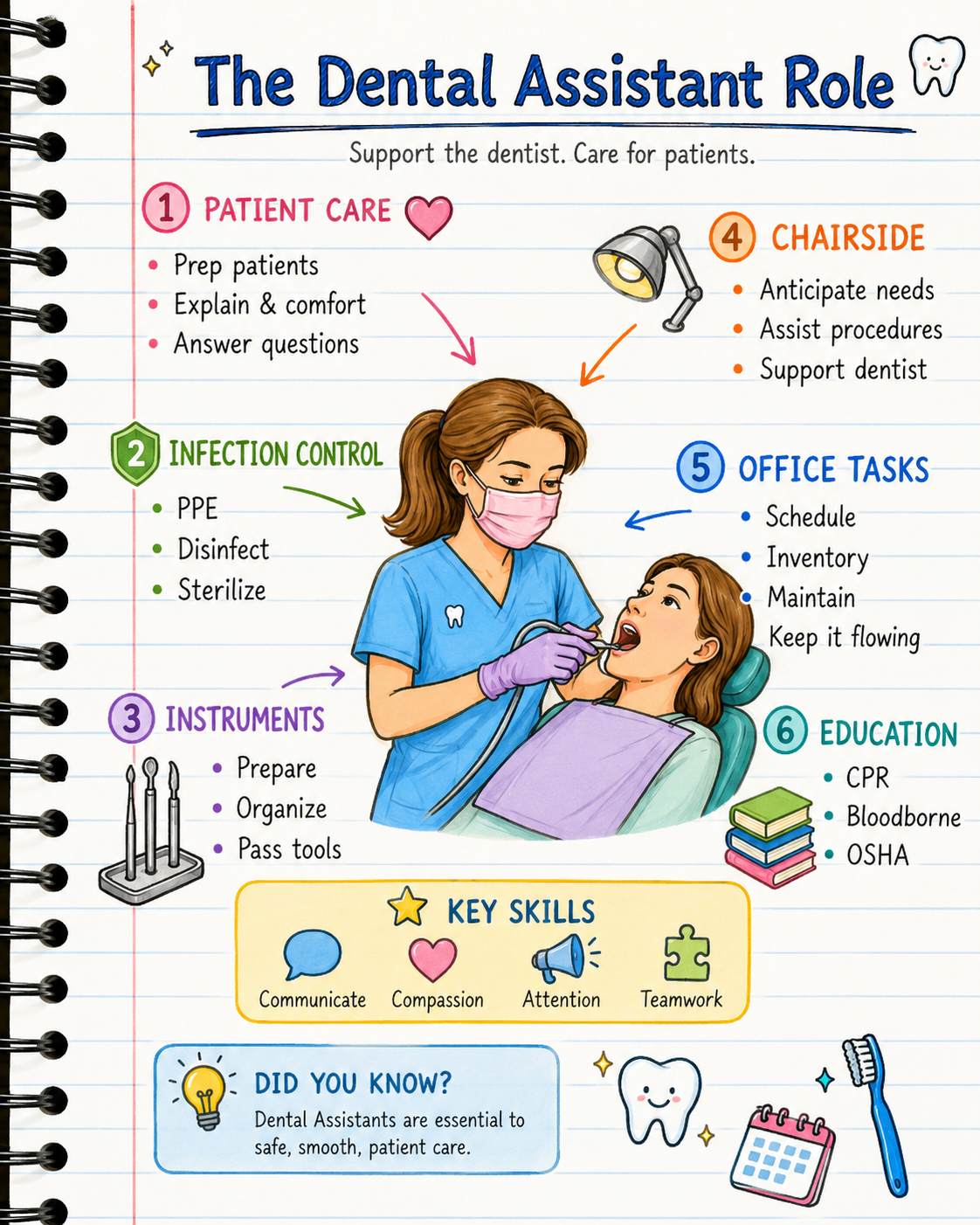
Registered Dental Assistants (RDAs) play a major role in taking dental x-rays. In Texas, dental assistants must complete specific training and pass a radiology exam before becoming a licensed Texas RDA through the Texas State Board of Dental Examiners. This certification allows them to legally expose dental radiographs in a dental office.

Dental assistants are responsible for taking many of the x-rays needed for patient care, including routine check-up images, panoramic x-rays, and specialty imaging. Proper x-ray techniques are essential to ensure patient safety, accurate diagnosis, and high-quality images.

To maintain their registration, Texas RDAs are also required to complete continuing education (CE) hours. Continuing education helps dental assistants stay current on new technology, safety standards, infection control, and advancements in digital radiology.

The Future of Dental Imaging

Digital dental x-rays continue to improve the way dental teams diagnose and treat patients. With lower radiation, instant results, enhanced image quality, and improved patient comfort, digital radiography has become an essential part of modern dentistry. As technology continues to advance, dental professionals and patients alike will continue to benefit from safer and more efficient dental care.๏ปฟ

By Bobbie Welty, RDA Lead Instructor June 15, 2025
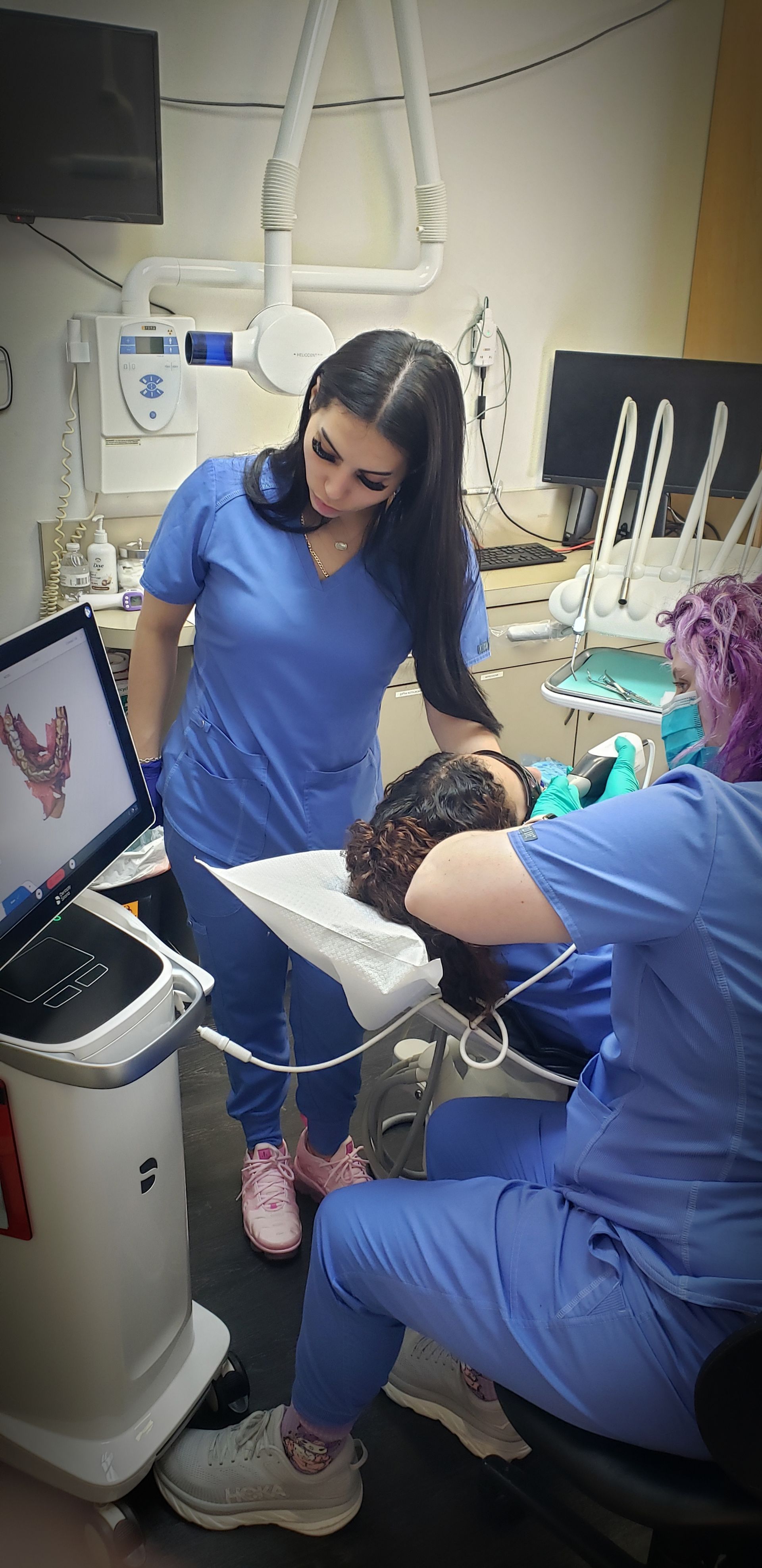
#๐Ÿฆท Learning Digital Impressions with the CEREC Scanner at OceanPointe Dental Assisting Academy Published on: June 15, 2025 Author: Bobbie Welty, Lead Instructor Category: Student Life | Dental Technology ๐Ÿš€ Hands-On With Modern Dental Technology At OceanPointe Dental Assisting Academy of Austin, we believe in preparing students for the future of dentistry — and that future is digital. One of the most exciting skills our students learn is how to take digital impressions using the CEREC scanner. Gone are the days of messy trays and gooey impression materials. Today’s dental offices rely on digital scanning for faster, more accurate results. ๐Ÿ’ก What is a CEREC Scanner? CEREC (Chairside Economical Restoration of Esthetic Ceramics) is a cutting-edge tool that captures detailed 3D images of a patient’s teeth and gums using a high-resolution scanner. This technology is used to design: * Same-day crowns * Bridges and veneers * Implant restorations * Clear aligner therapy * Nightguards and more With digital impressions, there’s less discomfort for patients and more precision for labs and dentists. ๐Ÿง‘‍โš•๏ธ Real-World Training for Our Students At OceanPointe, students don’t just read about digital scanning — they practice it firsthand in our state-of-the-art dental lab. During their training, they learn: * How to handle and operate the CEREC scanner * Techniques to capture accurate, full-arch digital scans * How to evaluate scan quality in real time * How digital workflow integrates into the restorative process ๐ŸŽ“ Why This Matters for Your Career Today’s dental offices are looking for job-ready assistants who are trained on the latest tools — and CEREC is one of the most in-demand skills. By the time our students graduate, they’ve gained real experience that gives them an edge during job interviews. Many offices now expect dental assistants to support same-day crown procedures and digital scanning for Invisalign or clear aligners. Our graduates are confident, capable, and career-ready ๐ŸŽ“ About Our Program OceanPointe offers a 10-week fast-track hybrid dental assisting program** designed for busy students who want to start working quickly — without sacrificing quality education. ๐Ÿ–ฅ๏ธ Online lectures + in-person labs ๐Ÿงช High-tech equipment (CEREC, sterilizers, x-rays) ๐ŸŽ“ CPR, board exam prep, and certification included ๐Ÿ“„ Resume help + externship placement ๐Ÿ’ผ Job placement assistance available after graduation โœจ Ready to Start Your Career in Dentistry? Join OceanPointe Dental Assisting Academy of Austin and learn the skills today’s dental practices are looking for — including CEREC digital impressions. ๐Ÿ“ Convenient South Austin location ๐Ÿ“ž Call/Text: 512-417-3753 ๐ŸŒ Visit us at : www.oceanpointeaustin.com
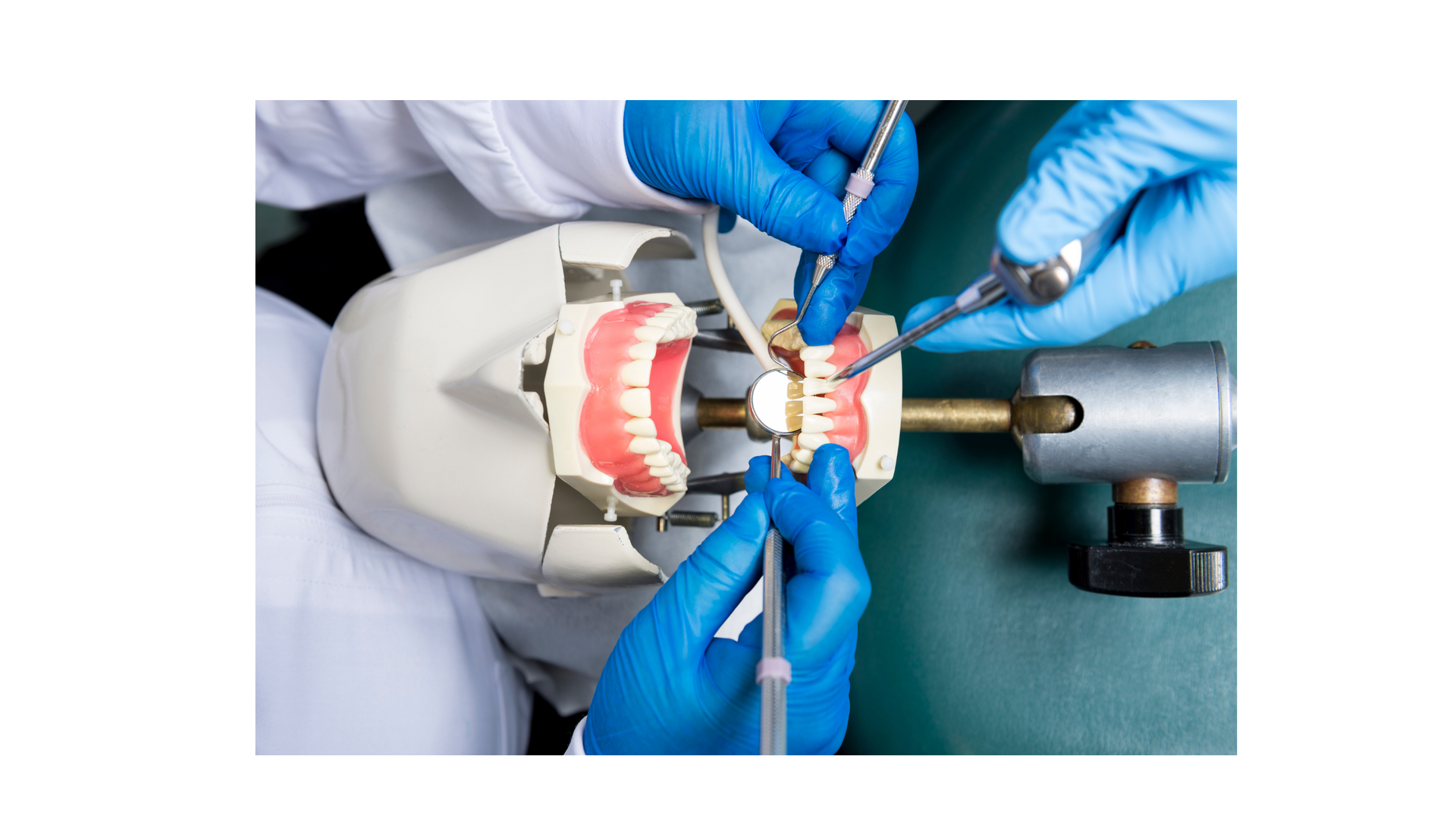
A dentist is working on a model of a person 's teeth.
By Bobbie Welty and AI September 26, 2024
**Understanding the Surfaces and Types of Teeth: A Guide to Your Smile** When we think about teeth, we often focus on how they look or how they function, but did you know that each tooth has a specific role in maintaining oral health? From chewing food to aiding in speech, our teeth are truly fascinating structures. In this post, we’ll dive into the different surfaces of the teeth and explore the various types of teeth in our mouths. **Tooth Surfaces: A Breakdown** Each tooth has multiple surfaces, and understanding them is key to knowing how your dentist evaluates your oral health. 1. **Occlusal Surface** This is the chewing surface of the premolars and molars. These teeth have cusps (pointed parts) that help grind and mash food during chewing. 2. **Buccal Surface** Found on the outside surface of the posterior teeth (molars and premolars), this surface faces the inside of the cheek. The word "buccal" comes from "bucca," which means cheek in Latin. 3. **Lingual Surface** This surface refers to the side of the tooth that faces the tongue. For upper teeth, it's also called the palatal surface because it faces the roof of the mouth, or palate. 4. **Mesial Surface** The mesial surface is the side of the tooth that's closest to the front of the mouth or midline. Think of it as the side of the tooth that touches the adjacent tooth closer to the front. 5. **Distal Surface** The opposite of the mesial surface, the distal surface faces the back of the mouth and is farthest from the midline. It’s the part of the tooth that touches the adjacent tooth closer to the back of the mouth. 6. **Incisal Surface** Found on the anterior teeth (incisors and canines), this surface is the biting edge of the tooth that helps cut food. # **Types of Teeth: What Role Do They Play?** In a healthy adult mouth, there are 32 teeth, and they all play a unique role. Here’s a look at the different types of teeth and their specific functions: 1. **Incisors** The four front teeth on the top and bottom are called incisors. They’re sharp and designed for cutting food. We use these teeth to bite into food like apples and carrots. 2. **Canines** Also known as cuspids, the canines are located next to the incisors. They have a pointed shape designed for tearing food. Canines are often the sharpest teeth in the mouth. 3. **Premolars** Behind the canines are the premolars, also called bicuspids. These teeth have a flat surface with ridges, making them ideal for crushing and tearing food before it reaches the molars. 4. **Molars** Molars are the largest teeth located at the back of the mouth. With their broad, flat surfaces, molars are perfect for grinding food into smaller pieces, making it easier to swallow and digest. 5. **Third Molars (Wisdom Teeth)** The third set of molars, commonly known as wisdom teeth, typically appear in late adolescence or early adulthood. However, not everyone gets their wisdom teeth, and some need to have them removed if they cause overcrowding or other issues. # **Why Is Understanding Tooth Structure Important?** Knowing the different types of teeth and their surfaces can help you understand why dentists focus on particular areas during checkups. For example, occlusal surfaces are prone to decay because they have grooves where food and bacteria can get trapped, while buccal and lingual surfaces can easily accumulate plaque. By taking care of all the surfaces of your teeth through proper brushing and flossing techniques, you can maintain a healthy, radiant smile! I hope this provides a clear understanding of the anatomy of your teeth and the role each part plays. If you have questions or want to learn more about keeping your smile bright, leave a comment below! What do you think? Would you like to tweak or add anything to this draft?Writing a blog on the surfaces and types of teeth can be both informative and engaging for your readers, especially those curious about dental care or aspiring dental professionals. Here's a draft to help get you started: **Understanding the Surfaces and Types of Teeth: A Guide to Your Smile** When we think about teeth, we often focus on how they look or how they function, but did you know that each tooth has a specific role in maintaining oral health? From chewing food to aiding in speech, our teeth are truly fascinating structures. In this post, we’ll dive into the different surfaces of the teeth and explore the various types of teeth in our mouths. # **Tooth Surfaces: A Breakdown** Each tooth has multiple surfaces, and understanding them is key to knowing how your dentist evaluates your oral health. 1. **Occlusal Surface** This is the chewing surface of the premolars and molars. These teeth have cusps (pointed parts) that help grind and mash food during chewing. 2. **Buccal Surface** Found on the outside surface of the posterior teeth (molars and premolars), this surface faces the inside of the cheek. The word "buccal" comes from "bucca," which means cheek in Latin. 3. **Lingual Surface** This surface refers to the side of the tooth that faces the tongue. For upper teeth, it's also called the palatal surface because it faces the roof of the mouth, or palate. 4. **Mesial Surface** The mesial surface is the side of the tooth that's closest to the front of the mouth or midline. Think of it as the side of the tooth that touches the adjacent tooth closer to the front. 5. **Distal Surface** The opposite of the mesial surface, the distal surface faces the back of the mouth and is farthest from the midline. It’s the part of the tooth that touches the adjacent tooth closer to the back of the mouth. 6. **Incisal Surface** Found on the anterior teeth (incisors and canines), this surface is the biting edge of the tooth that helps cut food. **Types of Teeth: What Role Do They Play?** In a healthy adult mouth, there are 32 teeth, and they all play a unique role. Here’s a look at the different types of teeth and their specific functions: 1. **Incisors** The four front teeth on the top and bottom are called incisors. They’re sharp and designed for cutting food. We use these teeth to bite into food like apples and carrots. 2. **Canines** Also known as cuspids, the canines are located next to the incisors. They have a pointed shape designed for tearing food. Canines are often the sharpest teeth in the mouth. 3. **Premolars** Behind the canines are the premolars, also called bicuspids. These teeth have a flat surface with ridges, making them ideal for crushing and tearing food before it reaches the molars. 4. **Molars** Molars are the largest teeth located at the back of the mouth. With their broad, flat surfaces, molars are perfect for grinding food into smaller pieces, making it easier to swallow and digest. 5. **Third Molars (Wisdom Teeth)** The third set of molars, commonly known as wisdom teeth, typically appear in late adolescence or early adulthood. However, not everyone gets their wisdom teeth, and some need to have them removed if they cause overcrowding or other issues. **Why Is Understanding Tooth Structure Important?** Knowing the different types of teeth and their surfaces can help you understand why dentists focus on particular areas during checkups. For example, occlusal surfaces are prone to decay because they have grooves where food and bacteria can get trapped, while buccal and lingual surfaces can easily accumulate plaque. By taking care of all the surfaces of your teeth through proper brushing and flossing techniques, you can maintain a healthy, radiant smile! I hope this provides a clear understanding of the anatomy of your teeth and the role each part plays. If you have questions or want to learn more about keeping your smile bright, leave a comment below!

An x-ray of a person 's teeth with a dental mirror.
By Bobbie Welty August 28, 2024
Understanding the USA Adult Tooth Numbering System The USA uses a specific tooth numbering system for adults, known as the Universal Numbering System. This system helps dental professionals easily identify and communicate about specific teeth. In this system, each tooth is assigned a unique number from 1 to 32. Starting from the upper right third molar, which is the wisdom tooth, it is numbered as tooth 1. The numbering then continues sequentially across the upper teeth to the upper left third molar, which is tooth 16. The sequence then drops down to the lower left third molar (tooth 17) and continues across the lower teeth to the lower right third molar, which is tooth 32. This straightforward approach ensures that each tooth, from molars to incisors, has a specific number, facilitating clear communication in dental practice. Whether you're discussing a root canal on tooth 19 or a cavity in tooth 14, the Universal Numbering System makes it easy for dental professionals to know exactly which tooth is being referenced. Understanding this system can also help patients better communicate with their dentists and understand their dental health needs more clearly.
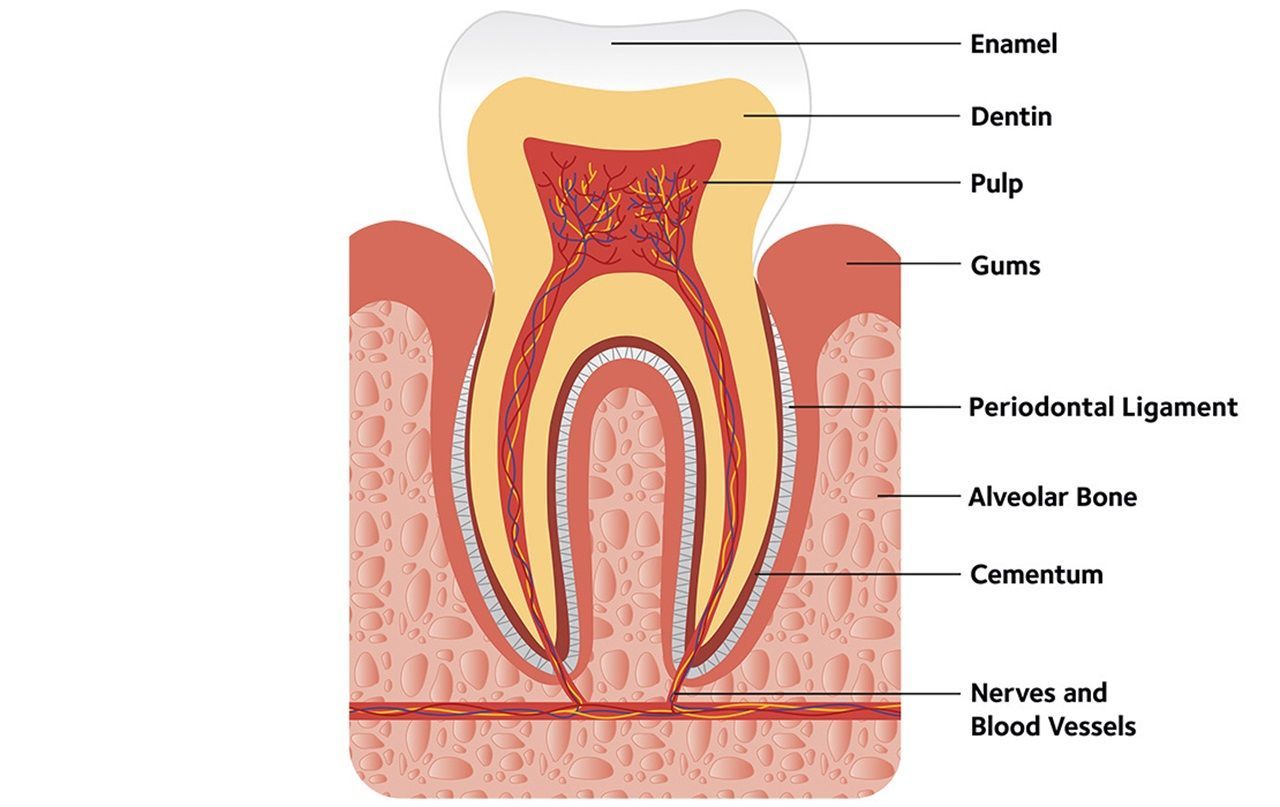
A diagram of a tooth showing the different parts of the tooth
By Bobbie Welty August 9, 2024
Understanding the Anatomy of a Tooth: A Closer Look at Its Parts When we think about teeth, we often focus on their role in chewing and smiling. But beneath the surface, each tooth is a complex structure with several distinct parts, all working together to keep our mouths healthy and functioning properly. In this blog, we’ll break down the anatomy of a tooth to give you a better understanding of what’s happening inside your mouth. 1. Enamel: The Hard Outer Layer The enamel is the outermost layer of a tooth, and it's the hardest substance in the human body. Composed primarily of minerals, especially hydroxyapatite, enamel acts as a protective barrier for the more sensitive inner layers of the tooth. It’s what gives our teeth their shiny appearance and plays a crucial role in protecting them from decay. 2. Dentin: The Supportive Layer Beneath the enamel lies the dentin, a layer that is slightly softer but still quite durable. Dentin is made up of microscopic tubules that transmit signals to the nerve inside the tooth, which is why you might feel pain when a cavity reaches this layer. Dentin also plays a supportive role, giving the tooth its shape and structure. 3. Pulp: The Heart of the Tooth At the center of the tooth is the pulp, which contains the tooth's nerve and blood vessels. The pulp is responsible for nourishing the tooth during its development and continues to supply it with essential nutrients. It’s also the part of the tooth that sends pain signals when there’s a problem, such as decay or trauma. 4. Cementum: The Root Protector Cementum is a bone-like substance that covers the tooth's roots, helping to anchor them firmly in the jawbone. It works together with the periodontal ligament to keep the tooth stable and secure. Although not as hard as enamel, cementum is crucial for maintaining the integrity of the tooth’s connection to the jaw. 5. Periodontal Ligament: The Tooth’s Support System The periodontal ligament is a group of connective tissue fibers that connect the tooth to the surrounding alveolar bone. This ligament acts as a shock absorber during chewing and biting, preventing the tooth from being damaged by the forces exerted during these activities. 6. Alveolar Bone: The Jaw’s Tooth Socket The alveolar bone is the part of the jaw that holds the teeth in place. It surrounds the roots of the teeth, providing support and stability. The health of the alveolar bone is essential for keeping teeth firmly anchored in the mouth. 7. Gums: The Protective Soft Tissue Lastly, the gums, or gingiva, are the soft tissue that surrounds the teeth and covers the alveolar bone. Healthy gums provide a seal around the teeth, protecting the roots and bone from bacteria and other harmful substances. Maintaining good gum health is key to preventing periodontal disease, which can lead to tooth loss. Conclusion: The Importance of Tooth Anatomy Understanding the anatomy of a tooth highlights the complexity of our oral health. Each part of the tooth has a specific function, and when one part is compromised, it can affect the overall health of the tooth. By taking care of our teeth through proper oral hygiene and regular dental check-ups, we can ensure that each component of our teeth remains healthy and functional.
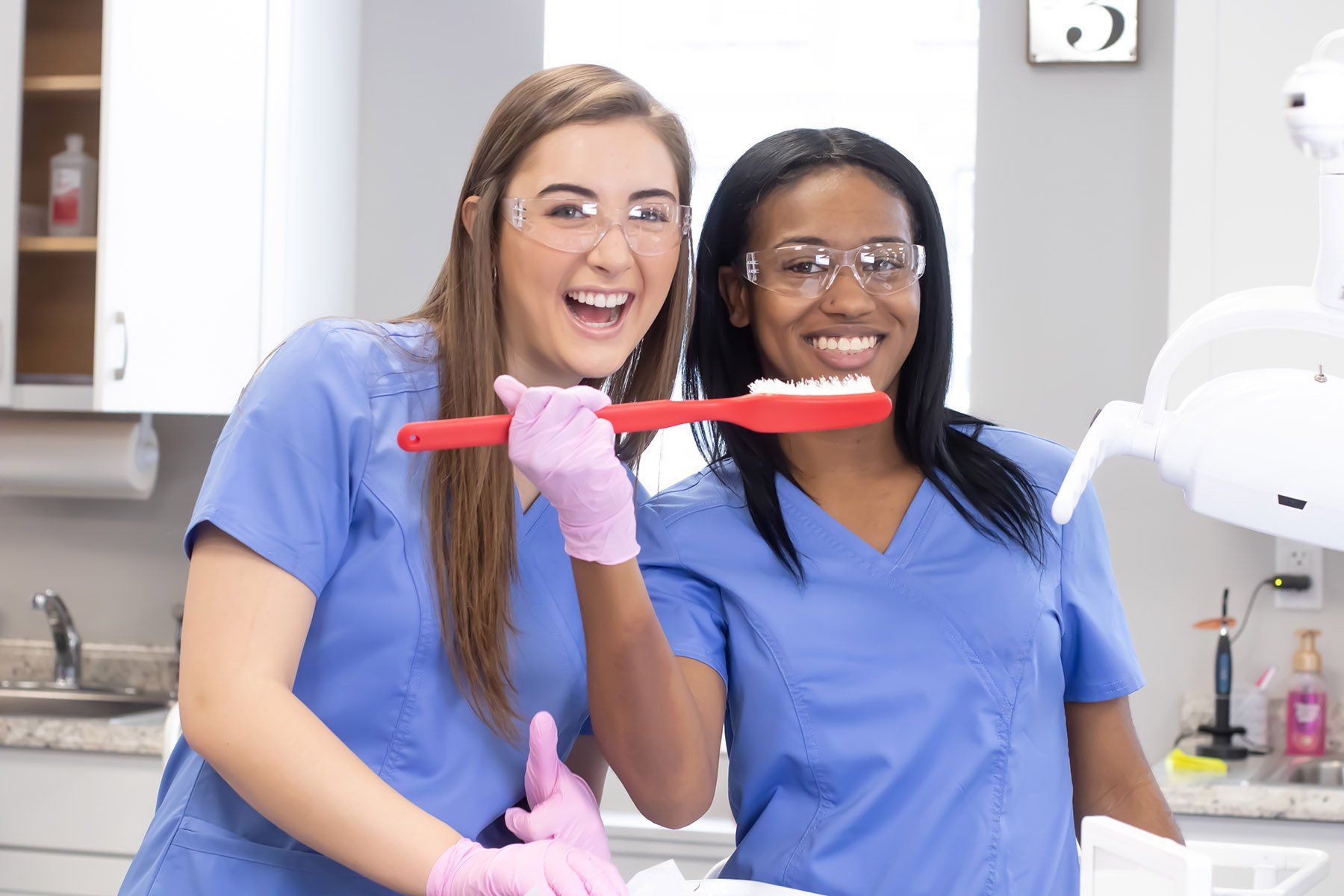
Two female dentists are brushing their teeth together in a dental office.
By Bobbie Welty August 6, 2024
Reasons to Pursue a Dental Assistant Career in Austin, TX Dental assistants are essential for the smooth functioning of dental offices on a daily basis. Typically, dental assistants work during daytime hours without weekends or holidays. Many dental practices provide attractive benefits packages. You can kickstart your journey by enrolling as a student at OceanPointe Dental Assisting Academy of Austin with just a high school diploma. Affordable tuition fees and short class durations allow you to swiftly embark on your career. Most importantly, you play a vital role in promoting oral health and helping people maintain their well-being.
By Dennis Goehring June 17, 2024
Do you want to learn more about the role of a chairside dental assistant in Austin, Texas?